Shandong Zhihua Brewery Solutions Co., Ltd----Make your craft brewing dream come true!









Title: Chroma Changes During Beer Production: Unveiling the Colorful Transformations
Beer, with its wide range of hues, captivates not only our taste buds but also our eyes. Have you ever wondered how the color of beer evolves throughout the production process? In this article, we will explore the fascinating chroma changes that occur during beer production, from the raw ingredients to the final pour. Join us on this colorful journey as we unravel the science behind the mesmerizing transformations.
1. Malt: The Foundation of Color:
The color journey begins with malt, the primary source of fermentable sugars in beer. Malt undergoes a malting process where barley grains are soaked, germinated, and then kilned. The degree of kilning determines the color of the malt, ranging from pale straw to deep brown hues. Lighter malts, such as Pilsner malt, contribute to the creation of pale beers, while darker malts like roasted barley or chocolate malt result in richer, darker beers.
2. Mash and Wort Formation:
During the mashing process, malt is mixed with hot water, allowing enzymes to convert starches into fermentable sugars. As the mash progresses, the water extracts color compounds and other soluble components from the malt. This process, known as extraction, influences the beer's color, with longer mashes leading to deeper hues.
3. Boiling and Caramelization:
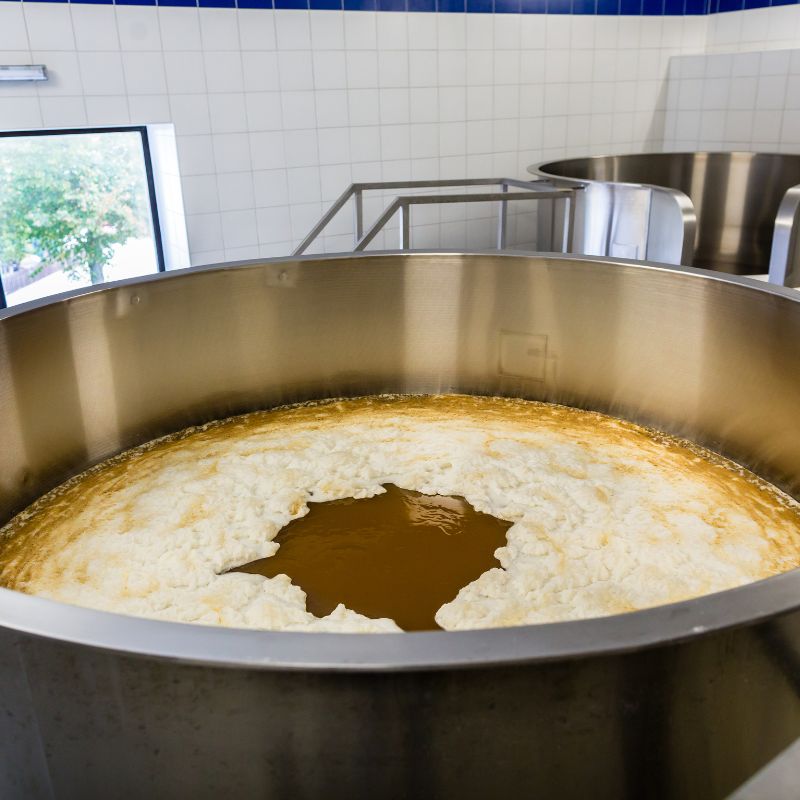
Once the mash is complete, the liquid portion, known as wort, is separated from the grain. During the subsequent boiling stage, chemical reactions occur that impact both flavor and color. Caramelization, a Maillard reaction, takes place as the wort boils, resulting in the creation of complex flavors and a deepening of the beer's color.
4. Hop Additions:
Hops, in addition to imparting bitterness and aroma, also contribute to the beer's color. Hops contain pigments known as polyphenols, which can add shades of amber or red to the beer. The specific hop varieties used and their timing during the brewing process can influence the final color profile.
5. Fermentation and Maturation:
During fermentation, yeast consumes the sugars in the wort and produces alcohol and carbon dioxide. While fermentation itself does not significantly alter the beer's color, it plays a crucial role in clarifying the brew. Yeast and other particles settle, resulting in a clearer appearance and a more vibrant display of the beer's true color.
6. Aging and Conditioning:
After fermentation, beer often undergoes a period of aging and conditioning. During this time, flavors continue to meld, and any remaining sediment further settles. As the beer matures, its color may stabilize and become more pronounced, allowing the true chromatic spectrum to shine.
7. Packaging and Light Exposure:
The choice of packaging, such as bottles or cans, can impact the beer's color perception. Some packaging materials, particularly clear or green glass bottles, may allow light to penetrate, leading to light-induced reactions and the potential for "skunking." Brown or opaque bottles, as well as cans, provide better protection against light, preserving the beer's intended color.
Conclusion:
The journey from grain to glass involves a mesmerizing array of chroma changes that contribute to the diversity and allure of beer. Each step of the brewing process, from malt selection to packaging, influences the beer's final hue, showcasing the artistry and science behind its creation. So, the next time you raise a glass, take a moment to appreciate the intricate and captivating chromatic transformations that have taken place to bring that beer to life. Cheers to the kaleidoscope of colors in your pint!
Related suggestion
 Home Brew Comprehensive GuideIt can be difficult to make a homemade beer that tastes exactly like a particular commercial beer, like Costco's Bud Light. Commercial breweries frequently have access to specialized machinery, certain ingredients, and extensive production techniques that homebrewers might not. Large breweries like Anheuser-Busch, the maker of Bud Light, also often keep their precise recipes and brewing techniques as trade secrets.
 Two Factors That Affect The Quality Of BeerPeople adore beer, which has become one of the most consumed beverages worldwide. The filtration and washing of the wort, however, is one of the crucial connections in the difficult process of producing high-quality beer. These two procedures have a significant impact on the beer's quality. The intimate connection between wort filtration, washing, and beer quality will be covered in this essay.
 Optimal Control of Temperature, Pressure, and Aging for Exceptional Beer MaturationBeer is produced by a complicated sequence of procedures, such as fermentation and aging, which add to its unique flavors and qualities. While fermentation is the main process that produces alcohol, beer aging is extremely important for honing and developing the beer's flavor. Brewers carefully control essential variables including as temperature, pressure, and age during this crucial stage.
 Beer Yeast: Unlocking the Secrets of BrewingBeer owes its distinct flavors, aromas, and character to a tiny organism known as beer yeast. These microscopic creatures play a vital role in the brewing process, transforming simple ingredients into a complex and satisfying beverage. In this article, we will explore the morphological characteristics of beer yeast, its reproduction mode, classification, and the metabolism pathway that contributes to the magic of brewing.
 The Influence of Feeding Temperature on Beer QualityCrafting exceptional beer requires meticulous attention to detail at every stage of the brewing process. While factors such as ingredients, yeast strains, and fermentation conditions play pivotal roles, the feeding temperature during brewing is a critical aspect that significantly impacts the final beer quality. In this article, we will delve into the influence of feeding temperature on beer and explore its implications for brewers.
 The Primary Material Alterations During SaccharificationThe creation of many fermented products, such as alcoholic beverages, biofuels, and industrial enzymes, depends on the saccharification process. It entails turning starches, which are complex carbohydrates, into simple sugars, primarily glucose. The enzymes known as amylases aid in this process. For the process to be optimized and desired results to be obtained, it is essential to comprehend the material changes that take place during saccharification. We shall examine the main material changes that occur during the saccharification process in this post.
 The Impact of Malt Dissolution and Pulverization on Beer ProductionIn the world of brewing, the processes of malt dissolution and pulverization play crucial roles in shaping the final product. These processes affect various aspects of beer production, including extract efficiency, flavor extraction, filtration, and overall quality. Understanding the consequences of malt dissolution and pulverization is vital for breweries aiming to craft exceptional beers. In this article, we will delve into the effects these processes have on the beer industry.

Get Quote Now