Shandong Zhihua Brewery Solutions Co., Ltd----Make your craft brewing dream come true!










From Grain to Gold: An In-Depth Look at the Beer Mashing Process
Beer, the golden elixir cherished by millions around the world, undergoes a complex and fascinating journey before it reaches our glasses. One crucial step in the brewing process is mashing, where the magic of transforming grains into fermentable sugars begins. In this article, we will take an in-depth look at the beer mashing process, exploring its purpose, key ingredients, and the intricate biochemical reactions that occur.
1. The Purpose of Mashing:
Mashing serves as the foundation for beer production, where the brewer extracts the sugars necessary for fermentation from malted grains. The primary goal is to convert complex starches present in the grains into simpler sugars, which yeast can then ferment to produce alcohol and carbon dioxide.
2. Key Ingredients:
a. Malted Grains: Mashing begins with a selection of malted grains, typically barley, which undergoes a malting process to activate enzymes responsible for breaking down starches into sugars.
b. Water: The second crucial ingredient is water, which plays a vital role in activating enzymes, controlling temperature, and facilitating the extraction of sugars from the grains.
3. Mashing Process:
a. Milling: Malted grains are first crushed or milled to break their outer husks and expose the starchy endosperm within. This step increases the surface area, aiding in efficient enzymatic activity during mashing.
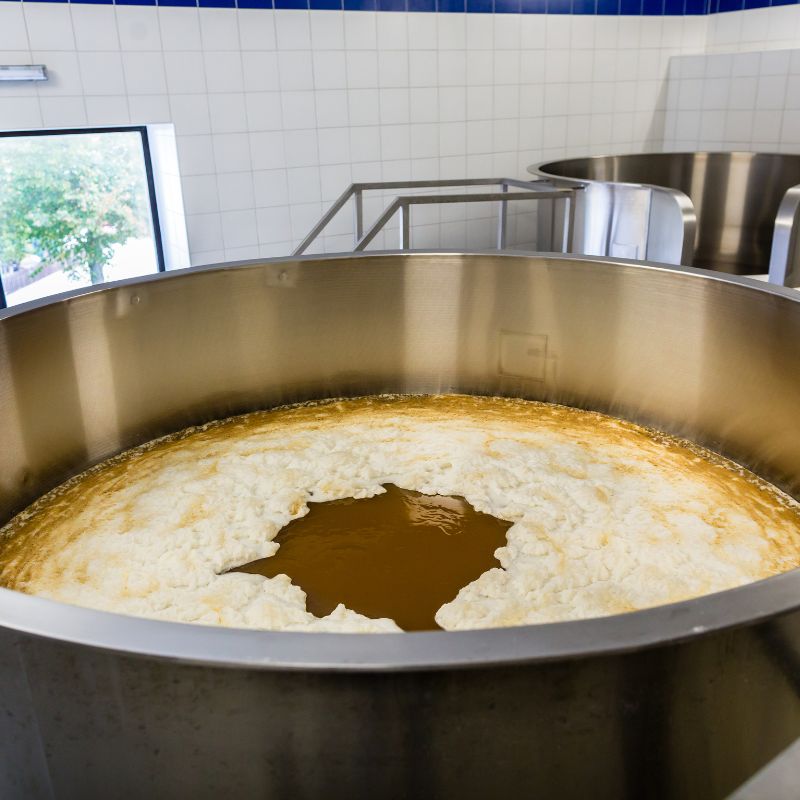
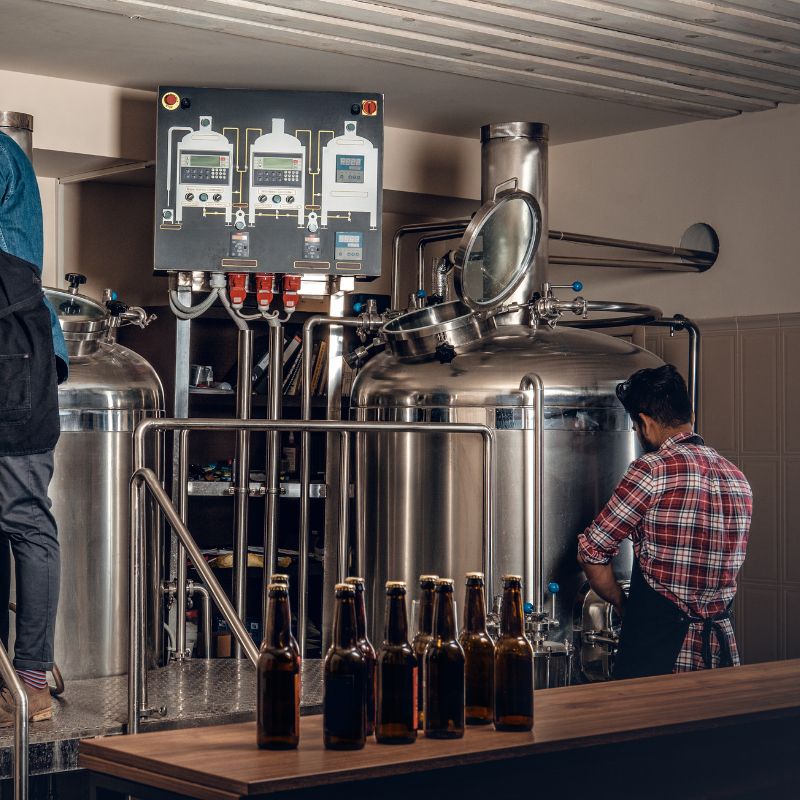
b. Mash Tun: The milled grains are transferred to a vessel called a mash tun, where the mashing process takes place. The mash tun provides an insulated environment that helps maintain specific temperature ranges required for enzymatic activity.
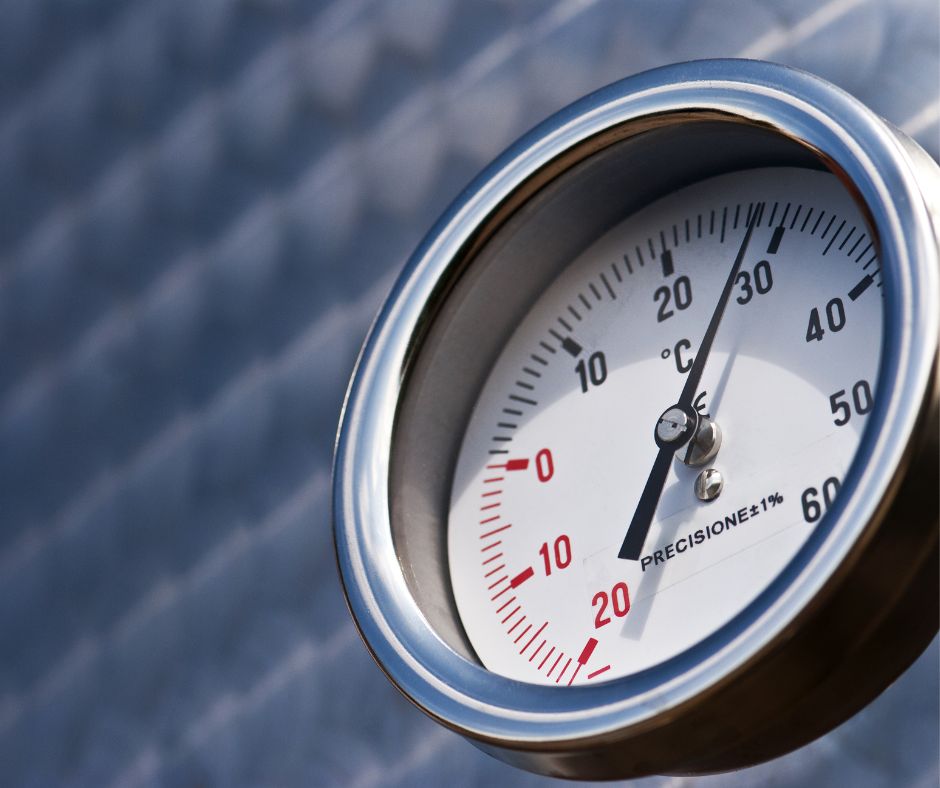
c. Mixing and Temperature Control: Hot water, known as strike water, is added to the mash tun, creating a mixture called the mash. The brewer carefully controls the temperature by adding hot or cold water and monitoring it throughout the mashing process.
d. Enzymatic Conversion: As the mash temperature stabilizes within the desired range, enzymes present in the malt, particularly amylase, begin breaking down the starches into fermentable sugars. Alpha-amylase and beta-amylase enzymes play distinct roles in converting complex starches into maltose, maltotriose, and dextrins.
e. Mash Rests: To allow different enzymes to work optimally, mashing involves specific rest periods at different temperatures. For example, a protein rest breaks down proteins that can negatively impact beer quality, while a saccharification rest facilitates sugar conversion.
f. Vorlauf and Sparging: Vorlaufing involves recirculating the liquid from the mash tun, which helps clarify the wort by filtering out grain particles. Sparging then involves rinsing the mash with hot water to extract as much of the sugars as possible, ensuring high efficiency.
4. Outcome: Wort Production:
The mashing process culminates in the production of wort, a sweet liquid rich in fermentable sugars, proteins, and other compounds. The wort is then transferred to the brew kettle, where it undergoes boiling, hops additions, and subsequent fermentation to transform it into beer.
Conclusion:
The beer mashing process is a critical step in brewing, where the conversion of complex starches into fermentable sugars takes place. Through careful temperature control, enzymatic activity, and water management, brewers unlock the potential of malted grains to produce the sweet wort that becomes the foundation of exceptional beers. Understanding the intricacies of mashing helps us appreciate the craftsmanship and science that go into each glass of beer we enjoy, truly making it a beverage worth savoring.
Related suggestion
 Home Brew Comprehensive GuideIt can be difficult to make a homemade beer that tastes exactly like a particular commercial beer, like Costco's Bud Light. Commercial breweries frequently have access to specialized machinery, certain ingredients, and extensive production techniques that homebrewers might not. Large breweries like Anheuser-Busch, the maker of Bud Light, also often keep their precise recipes and brewing techniques as trade secrets.
 Two Factors That Affect The Quality Of BeerPeople adore beer, which has become one of the most consumed beverages worldwide. The filtration and washing of the wort, however, is one of the crucial connections in the difficult process of producing high-quality beer. These two procedures have a significant impact on the beer's quality. The intimate connection between wort filtration, washing, and beer quality will be covered in this essay.
 Optimal Control of Temperature, Pressure, and Aging for Exceptional Beer MaturationBeer is produced by a complicated sequence of procedures, such as fermentation and aging, which add to its unique flavors and qualities. While fermentation is the main process that produces alcohol, beer aging is extremely important for honing and developing the beer's flavor. Brewers carefully control essential variables including as temperature, pressure, and age during this crucial stage.
 Beer Yeast: Unlocking the Secrets of BrewingBeer owes its distinct flavors, aromas, and character to a tiny organism known as beer yeast. These microscopic creatures play a vital role in the brewing process, transforming simple ingredients into a complex and satisfying beverage. In this article, we will explore the morphological characteristics of beer yeast, its reproduction mode, classification, and the metabolism pathway that contributes to the magic of brewing.
 The Influence of Feeding Temperature on Beer QualityCrafting exceptional beer requires meticulous attention to detail at every stage of the brewing process. While factors such as ingredients, yeast strains, and fermentation conditions play pivotal roles, the feeding temperature during brewing is a critical aspect that significantly impacts the final beer quality. In this article, we will delve into the influence of feeding temperature on beer and explore its implications for brewers.
 The Primary Material Alterations During SaccharificationThe creation of many fermented products, such as alcoholic beverages, biofuels, and industrial enzymes, depends on the saccharification process. It entails turning starches, which are complex carbohydrates, into simple sugars, primarily glucose. The enzymes known as amylases aid in this process. For the process to be optimized and desired results to be obtained, it is essential to comprehend the material changes that take place during saccharification. We shall examine the main material changes that occur during the saccharification process in this post.
 The Impact of Malt Dissolution and Pulverization on Beer ProductionIn the world of brewing, the processes of malt dissolution and pulverization play crucial roles in shaping the final product. These processes affect various aspects of beer production, including extract efficiency, flavor extraction, filtration, and overall quality. Understanding the consequences of malt dissolution and pulverization is vital for breweries aiming to craft exceptional beers. In this article, we will delve into the effects these processes have on the beer industry.



Get Quote Now