Shandong Zhihua Brewery Solutions Co., Ltd----Make your craft brewing dream come true!










Guide to Selection of Brewing Beer Equipment: Finding the Perfect Fit for Your Brewery
When it comes to brewing beer, having the right equipment is essential for ensuring consistent quality, efficiency, and scalability. However, with the wide array of brewing equipment available on the market, choosing the right setup can be a daunting task. In this comprehensive guide, we will walk you through the key factors to consider when selecting brewing beer equipment for your brewery. From brewhouses to fermentation vessels, we'll cover everything you need to know to make an informed decision.
1. Assess Your Brewing Needs:
Before diving into the equipment selection process, it's crucial to assess your specific brewing needs. Consider factors such as your production volume, beer styles, growth projections, and available space. Understanding these requirements will help you determine the appropriate capacity, functionality, and customization options needed in your brewing equipment.
2. Brewhouse Selection:
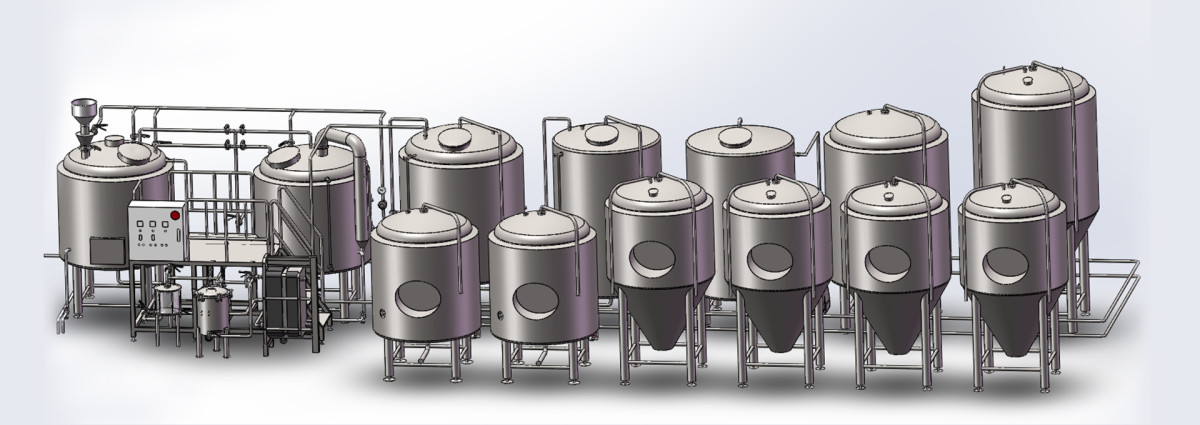
The brewhouse is the heart of your brewing operation. It comprises the mash tun, lauter tun, brew kettle, and whirlpool. Key factors to consider when selecting a brewhouse include:
a. Size and Output: Choose a brewhouse that matches your desired batch size and production volume. Consider your current needs and potential future growth.
b. Heating Source: Decide between steam, direct fire, or electric heating options based on your energy availability and efficiency goals.
c. Automation and Control: Consider the level of automation and control you require. Advanced control systems can streamline your brewing process and enhance consistency.
3. Fermentation Vessels:
Fermentation vessels are where the magic happens as yeast converts wort into beer. Factors to consider when selecting fermentation vessels include:
a. Capacity: Determine the number and size of fermentation vessels needed to accommodate your production volume and fermentation schedule.
b. Cooling Options: Evaluate the cooling systems available, such as glycol jackets or external chilling units, to maintain precise fermentation temperatures.
c. Conical or Uni-Tank: Decide whether conical or uni-tank vessels best suit your brewing needs. Conical fermenters allow for yeast separation and easy harvesting, while uni-tanks streamline the process by eliminating the need for transfers.
4. Cellaring and Conditioning Equipment:
Cellaring and conditioning equipment is essential for aging and clarifying your beer. Consider the following factors:
a. Brite Tanks: Determine the number and size of brite tanks required for carbonation, clarification, and storage of finished beer.
b. Filtration Systems: Assess the need for filtration systems based on your desired beer clarity and styles.
c. Barrel Aging: If you plan to incorporate barrel aging, consider the space and equipment required for this process.
5. Packaging Equipment:
Packaging equipment plays a vital role in efficiently packaging your beer for distribution. Consider the following:
a. Kegging or Canning: Choose between kegging or canning systems based on your distribution strategy and market demand.
b. Quality Control: Ensure your packaging equipment includes quality control measures to maintain consistency and reduce oxygen pickup.
c. Automation and Speed: Consider the level of automation and speed needed to meet your packaging demands.
6. Support and Service:
When selecting brewing beer equipment, it's important to choose a manufacturer that offers comprehensive support and service. Look for a reputable company that provides technical assistance, spare parts availability, and after-sales support to ensure smooth operations and minimal downtime.
Conclusion:
Selecting the right brewing beer equipment is a critical decision that impacts the success of your brewery. By assessing your brewing needs, considering factors such as brewhouse options, fermentation vessels, cellaring equipment, packaging systems, and finding a reliable manufacturer, you can confidently choose equipment that aligns with your brewery's goals. Remember, investing in high-quality brewing equipment tailored to your specific needs will contribute to the consistent production of exceptional beers and the growth of your brewery.
Whether you're starting a new brewery or looking to upgrade your existing setup, take the time to research and consult with experts in the field. They can provide valuable insights and recommendations based on their experience and industry knowledge.
Furthermore, don't overlook the importance of ongoing maintenance and support. Regular maintenance routines, calibration checks, and access to spare parts are crucial for keeping your equipment running smoothly and minimizing downtime.
Lastly, stay up to date with industry advancements and emerging technologies. Brewing equipment manufacturers often introduce innovations that can enhance your brewing process, improve efficiency, and reduce environmental impact. By staying informed, you can make informed decisions that align with industry trends and position your brewery for success.
Remember, selecting the right brewing beer equipment is an investment in the future of your brewery. With careful consideration of your specific needs, quality equipment, and reliable support, you can create an efficient and productive brewing operation that produces exceptional beers that will delight your customers.
Cheers to a successful brewing journey!
Related suggestion
 Home Brew Comprehensive GuideIt can be difficult to make a homemade beer that tastes exactly like a particular commercial beer, like Costco's Bud Light. Commercial breweries frequently have access to specialized machinery, certain ingredients, and extensive production techniques that homebrewers might not. Large breweries like Anheuser-Busch, the maker of Bud Light, also often keep their precise recipes and brewing techniques as trade secrets.
 Two Factors That Affect The Quality Of BeerPeople adore beer, which has become one of the most consumed beverages worldwide. The filtration and washing of the wort, however, is one of the crucial connections in the difficult process of producing high-quality beer. These two procedures have a significant impact on the beer's quality. The intimate connection between wort filtration, washing, and beer quality will be covered in this essay.
 Optimal Control of Temperature, Pressure, and Aging for Exceptional Beer MaturationBeer is produced by a complicated sequence of procedures, such as fermentation and aging, which add to its unique flavors and qualities. While fermentation is the main process that produces alcohol, beer aging is extremely important for honing and developing the beer's flavor. Brewers carefully control essential variables including as temperature, pressure, and age during this crucial stage.
 Beer Yeast: Unlocking the Secrets of BrewingBeer owes its distinct flavors, aromas, and character to a tiny organism known as beer yeast. These microscopic creatures play a vital role in the brewing process, transforming simple ingredients into a complex and satisfying beverage. In this article, we will explore the morphological characteristics of beer yeast, its reproduction mode, classification, and the metabolism pathway that contributes to the magic of brewing.
 The Influence of Feeding Temperature on Beer QualityCrafting exceptional beer requires meticulous attention to detail at every stage of the brewing process. While factors such as ingredients, yeast strains, and fermentation conditions play pivotal roles, the feeding temperature during brewing is a critical aspect that significantly impacts the final beer quality. In this article, we will delve into the influence of feeding temperature on beer and explore its implications for brewers.
 The Primary Material Alterations During SaccharificationThe creation of many fermented products, such as alcoholic beverages, biofuels, and industrial enzymes, depends on the saccharification process. It entails turning starches, which are complex carbohydrates, into simple sugars, primarily glucose. The enzymes known as amylases aid in this process. For the process to be optimized and desired results to be obtained, it is essential to comprehend the material changes that take place during saccharification. We shall examine the main material changes that occur during the saccharification process in this post.
 The Impact of Malt Dissolution and Pulverization on Beer ProductionIn the world of brewing, the processes of malt dissolution and pulverization play crucial roles in shaping the final product. These processes affect various aspects of beer production, including extract efficiency, flavor extraction, filtration, and overall quality. Understanding the consequences of malt dissolution and pulverization is vital for breweries aiming to craft exceptional beers. In this article, we will delve into the effects these processes have on the beer industry.



Get Quote Now