Shandong Zhihua Brewery Solutions Co., Ltd----Make your craft brewing dream come true!










Breweries of all sizes face the challenge of maximizing their production capacity while maintaining high quality and consistency. This article delves into the theme of beer production capacity optimization, exploring key considerations, strategies, and technologies that can help breweries streamline their operations and meet growing consumer demands.
Understanding Beer Production Capacity:
Beer production capacity refers to the maximum volume of beer a brewery can produce within a given timeframe. It is influenced by various factors, including the size of the brewing equipment, fermentation and conditioning times, packaging capabilities, and overall process efficiency. To optimize production capacity, breweries must focus on enhancing throughput, minimizing downtime, and maximizing resource utilization without compromising product quality.
Streamlining the Brewing Process:
1. Recipe Development and Standardization: Developing standardized recipes ensures consistency in flavor, aroma, and quality, simplifying the production process and reducing variations. By fine-tuning recipes and using high-quality ingredients, breweries can optimize efficiency by minimizing raw material waste and reducing recipe adjustments during production.
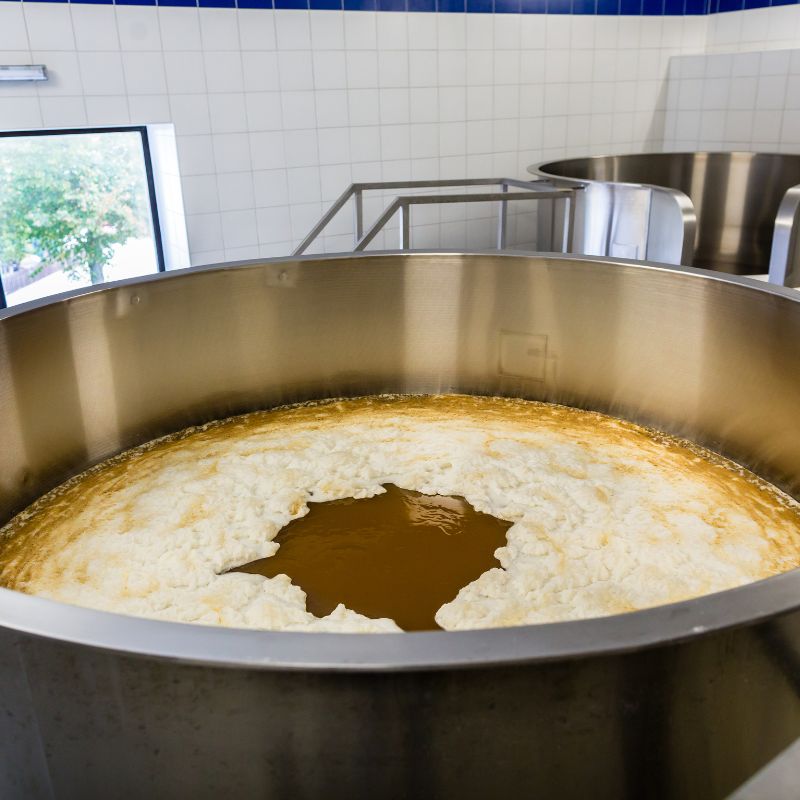
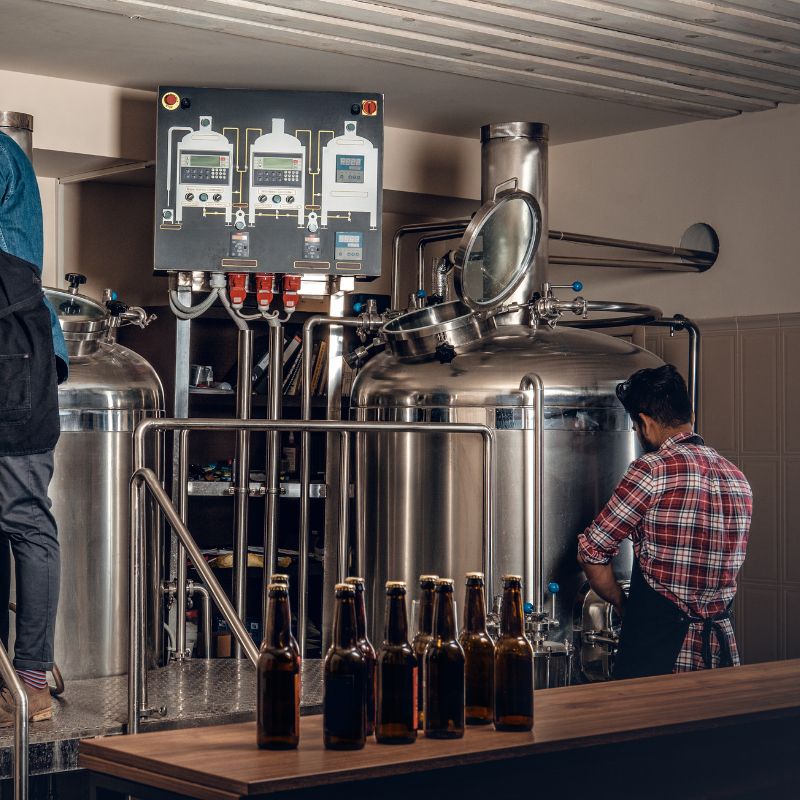
2. Efficient Brewhouse Operations: The brewhouse is the heart of beer production, and optimizing its efficiency is crucial for maximizing capacity. Automated mash systems, precise temperature control, and effective lautering techniques can shorten batch times, increase wort extraction, and reduce water and energy consumption. Implementing process automation and investing in modern brewhouse equipment can significantly enhance production efficiency.
3. Fermentation and Conditioning: Optimizing fermentation and conditioning processes is key to achieving consistent beer quality and improving capacity. Controlling fermentation temperatures, yeast health, and pitching rates can reduce fermentation time, ensuring timely yeast re-use and freeing up fermentation vessels for subsequent batches. Proper conditioning and maturation periods contribute to flavor development and stability.
4. Packaging Efficiency: Efficient packaging operations are essential for maximizing production capacity. Utilizing high-speed filling lines, automated labeling, and packaging equipment can reduce bottlenecks and increase throughput. Implementing quality control measures throughout the packaging process minimizes downtime due to packaging errors or product recalls.
Advanced Technologies and Data Analysis:
1. Brewery Management Software: Implementing brewery management software allows breweries to monitor and control production processes, inventory, quality assurance, and logistics in real-time. These systems provide valuable insights into production bottlenecks, quality trends, and resource utilization, enabling breweries to make data-driven decisions for capacity optimization.
2. Predictive Maintenance: Utilizing sensor technology and data analytics, breweries can implement predictive maintenance strategies. By monitoring equipment performance and analyzing data patterns, maintenance issues can be anticipated, reducing unplanned downtime and improving overall operational efficiency.
3. Supply Chain Optimization: Collaborating with suppliers and optimizing supply chain logistics helps minimize raw material lead times, reduce inventory costs, and ensure uninterrupted production. Implementing just-in-time inventory management and automated reordering systems can streamline procurement processes.
Continuous Improvement and Flexibility:
Continuous improvement methodologies, such as Lean manufacturing and Six Sigma, can be applied to optimize beer production capacity. By identifying and eliminating process inefficiencies, reducing waste, and implementing standardized work procedures, breweries can achieve greater operational efficiency and enhance capacity.
Flexibility is also crucial in optimizing production capacity. The ability to adapt to changing consumer demands, seasonal variations, and new product introductions ensures breweries can maintain a competitive edge while maximizing their output.
Conclusion:
Optimizing beer production capacity requires a holistic approach that encompasses various aspects of the brewing process, from recipe development to packaging efficiency. By streamlining operations, embracing technological advancements, and implementing data-driven strategies, breweries can enhance efficiency, meet growing consumer demands, and maintain high-quality standards. With a continuous improvement mindset and flexibility to adapt to market dynamics,
Allowing breweries to unleash their true production potential.
Related suggestion
 Home Brew Comprehensive GuideIt can be difficult to make a homemade beer that tastes exactly like a particular commercial beer, like Costco's Bud Light. Commercial breweries frequently have access to specialized machinery, certain ingredients, and extensive production techniques that homebrewers might not. Large breweries like Anheuser-Busch, the maker of Bud Light, also often keep their precise recipes and brewing techniques as trade secrets.
 Two Factors That Affect The Quality Of BeerPeople adore beer, which has become one of the most consumed beverages worldwide. The filtration and washing of the wort, however, is one of the crucial connections in the difficult process of producing high-quality beer. These two procedures have a significant impact on the beer's quality. The intimate connection between wort filtration, washing, and beer quality will be covered in this essay.
 Optimal Control of Temperature, Pressure, and Aging for Exceptional Beer MaturationBeer is produced by a complicated sequence of procedures, such as fermentation and aging, which add to its unique flavors and qualities. While fermentation is the main process that produces alcohol, beer aging is extremely important for honing and developing the beer's flavor. Brewers carefully control essential variables including as temperature, pressure, and age during this crucial stage.
 Beer Yeast: Unlocking the Secrets of BrewingBeer owes its distinct flavors, aromas, and character to a tiny organism known as beer yeast. These microscopic creatures play a vital role in the brewing process, transforming simple ingredients into a complex and satisfying beverage. In this article, we will explore the morphological characteristics of beer yeast, its reproduction mode, classification, and the metabolism pathway that contributes to the magic of brewing.
 The Influence of Feeding Temperature on Beer QualityCrafting exceptional beer requires meticulous attention to detail at every stage of the brewing process. While factors such as ingredients, yeast strains, and fermentation conditions play pivotal roles, the feeding temperature during brewing is a critical aspect that significantly impacts the final beer quality. In this article, we will delve into the influence of feeding temperature on beer and explore its implications for brewers.
 The Primary Material Alterations During SaccharificationThe creation of many fermented products, such as alcoholic beverages, biofuels, and industrial enzymes, depends on the saccharification process. It entails turning starches, which are complex carbohydrates, into simple sugars, primarily glucose. The enzymes known as amylases aid in this process. For the process to be optimized and desired results to be obtained, it is essential to comprehend the material changes that take place during saccharification. We shall examine the main material changes that occur during the saccharification process in this post.
 The Impact of Malt Dissolution and Pulverization on Beer ProductionIn the world of brewing, the processes of malt dissolution and pulverization play crucial roles in shaping the final product. These processes affect various aspects of beer production, including extract efficiency, flavor extraction, filtration, and overall quality. Understanding the consequences of malt dissolution and pulverization is vital for breweries aiming to craft exceptional beers. In this article, we will delve into the effects these processes have on the beer industry.




Get Quote Now